Cart
0
A strong immune system is your body's frontline defense against infections and illnesses. Understanding how to boost your immune system naturally can help you stay healthier year-round without relying on medications or supplements alone. This post explores practical, science-backed strategies to support your immune health through everyday choices.
How the Immune System Works
Your immune system is a complex network of cells, tissues, and organs that work together to fight off harmful invaders like viruses, bacteria, and toxins. When functioning well, it identifies threats and neutralizes them before they cause illness. However, factors like stress, poor diet, lack of sleep, and inactivity can weaken this defense system.
Knowing ways to improve immune health naturally means focusing on habits and foods that strengthen your body's natural defenses, helping you recover faster and reduce the risk of infections.
Foods to Boost Immune System Naturally
Nutrition plays a crucial role in immune system strength. Certain foods provide essential nutrients that support immune cells and reduce inflammation.
-
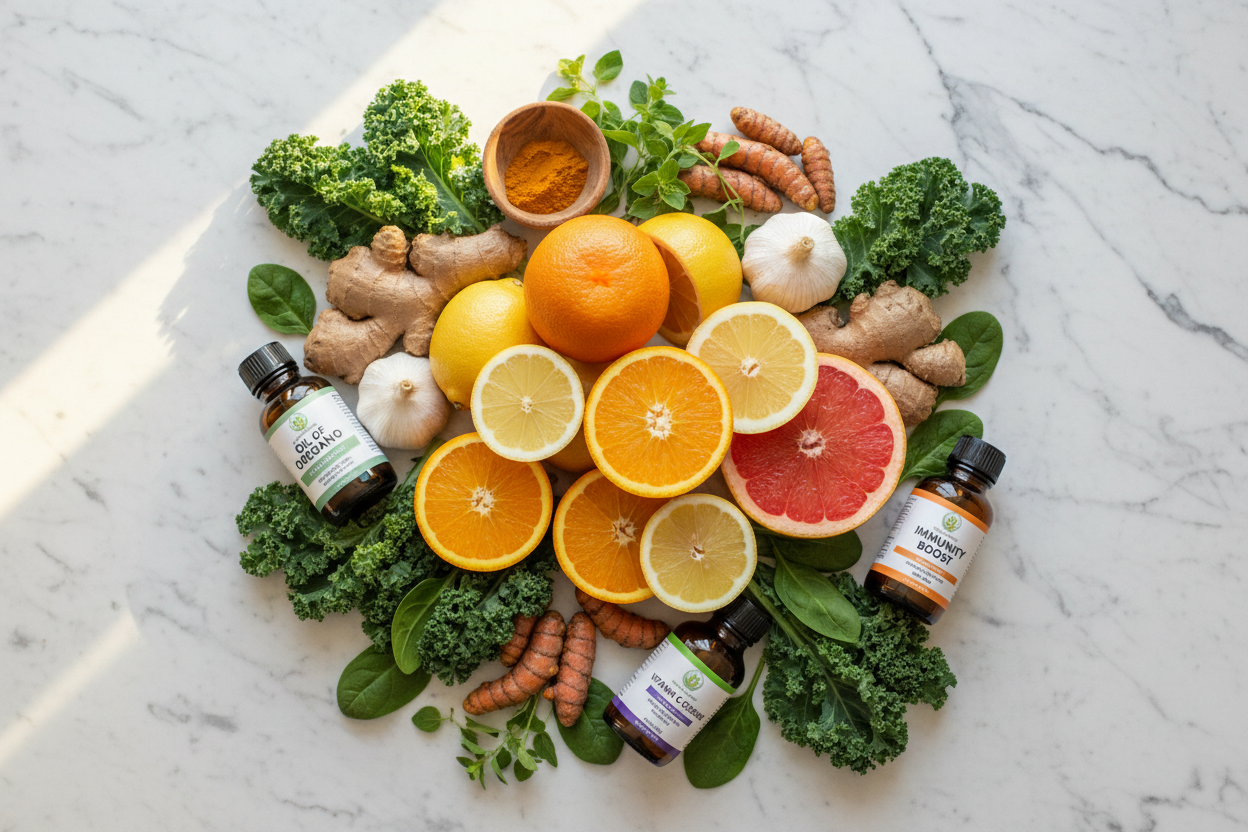
Antioxidant foods for immune support include berries, citrus fruits, spinach, and kale. These foods contain vitamins C and E, which protect cells from damage.
-
Vitamins for immune system support naturally such as vitamin D and zinc are found in fatty fish, mushrooms, nuts, and seeds.
-
Garlic and ginger are well-known herbs to boost the immune system due to their antimicrobial and anti-inflammatory properties.
-
Probiotic-rich foods like yogurt and fermented vegetables help maintain gut health, which is closely linked to immune function.
Incorporating a variety of these foods daily provides your body with the building blocks it needs for natural immune defense support.
Herbal Immune Boosters You Can Try
Herbal remedies have been used for centuries to support immunity. While research is ongoing, some herbs show promising effects:
-
Echinacea may reduce the duration of colds by stimulating immune cells.
-
Elderberry contains antioxidants that can help fight viruses.
-
Turmeric has curcumin, a compound with anti-inflammatory and immune-enhancing effects.
-
Astragalus root is traditionally used to strengthen immune response and reduce fatigue.
Using these natural immunity boosters as teas, tinctures, or supplements can complement your overall immune system strengthening tips. Always consult a healthcare provider before starting herbal supplements, especially if you have underlying health conditions.
Lifestyle to Boost Immune System
Beyond diet and herbs, your daily habits significantly impact immune health. Here are some effective daily habits for immune support:
-
Regular physical activity improves circulation and immune cell function. Aim for at least 30 minutes of moderate exercise most days.
-
Adequate sleep is essential. Adults should target 7-9 hours per night to allow immune cells to regenerate.
-
Stress management techniques like meditation, deep breathing, or yoga reduce cortisol levels, which can suppress immunity.
-
Hydration supports the lymphatic system, which transports immune cells throughout the body.
-
Avoid smoking and limit alcohol intake, as both impair immune responses.
Adopting a balanced lifestyle to boost the immune system creates a strong foundation for natural immune defense support.
How to Strengthen Immune System Naturally with Routine Changes
Small changes in your routine can have a big impact on immune health:
-
Wash your hands frequently to reduce exposure to pathogens.
-
Spend time outdoors for natural sunlight, which helps your body produce vitamin D.
-
Maintain a healthy weight, as obesity can impair immune function.
-
Stay socially connected, as loneliness and depression negatively affect immunity.
These immune system strengthening tips are simple but effective ways to support your body's defenses every day.
When to Seek Medical Advice
While natural methods are powerful, they are not a substitute for professional medical care when needed. If you experience persistent infections, unusual symptoms, or have a chronic health condition, consult a healthcare provider. Natural approaches work best as part of a balanced health plan.